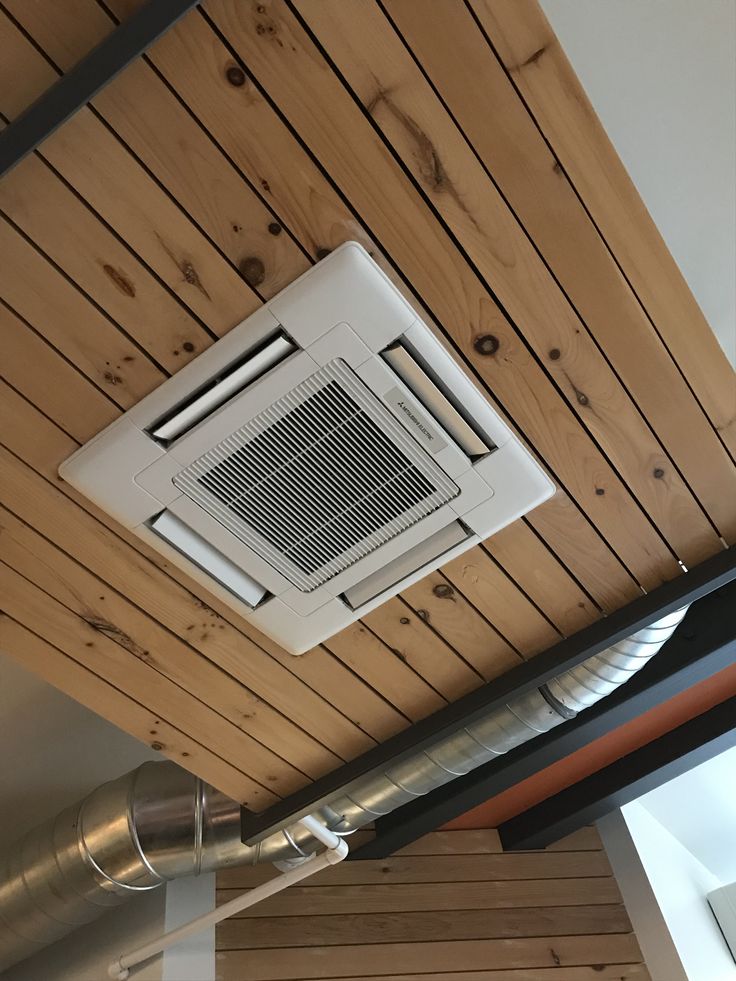
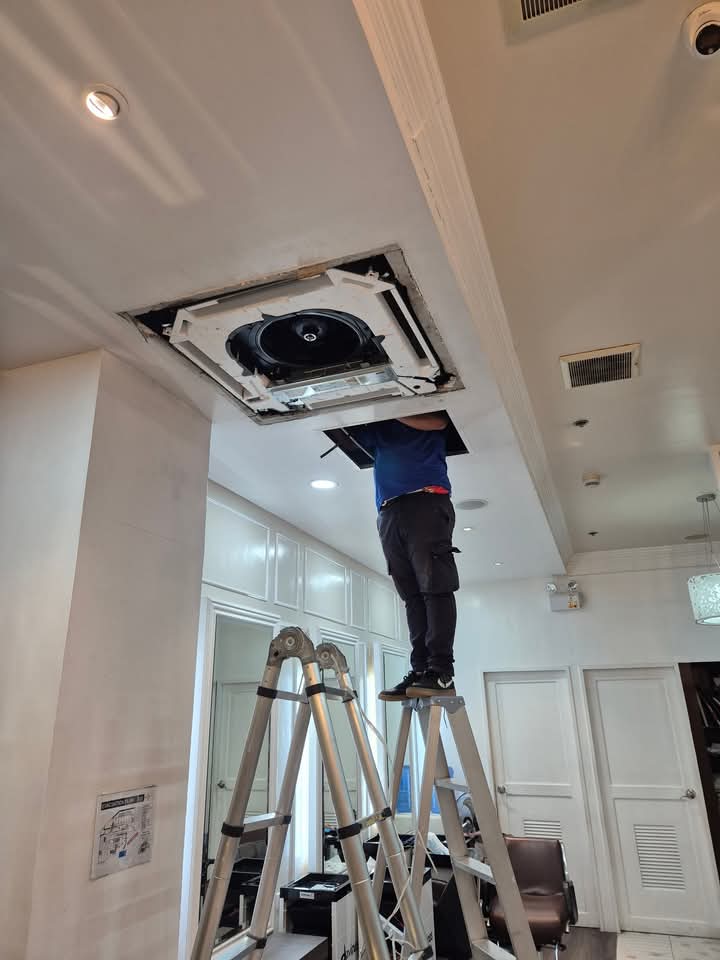
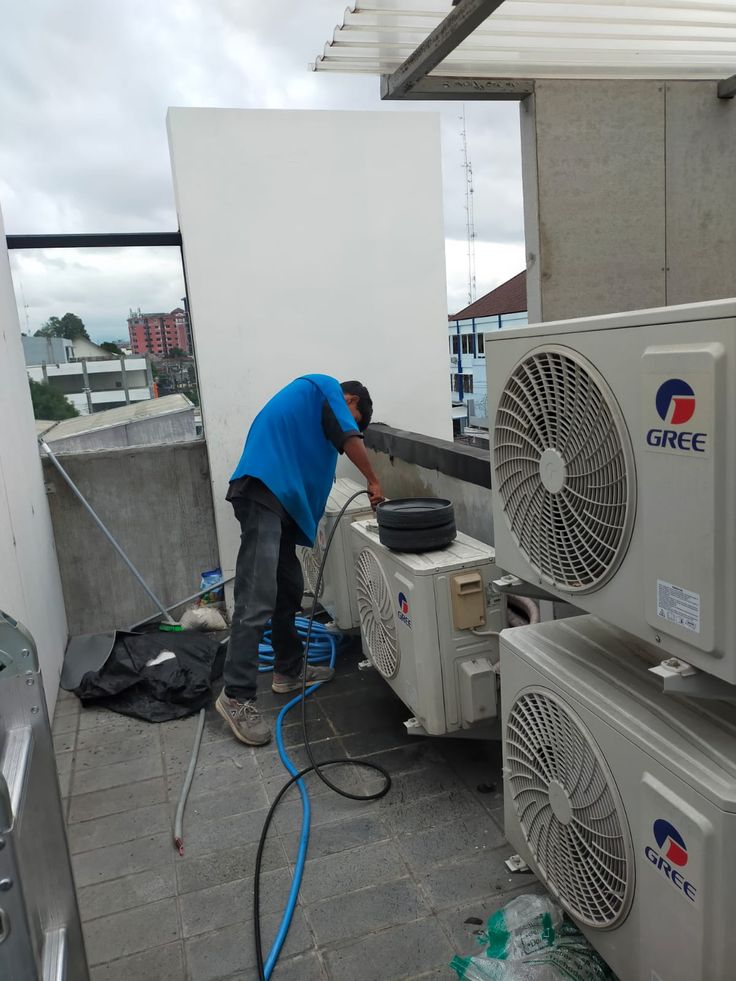
ceiling cassette (or cassette air conditioner) is a type of ductless split system designed to be mounted flush inside a ceiling. It is ideal for spaces where wall space is limited, or where a clean, unobtrusive aesthetic is preferred. Unlike traditional wall-mounted units, a ceiling cassette distributes conditioned air horizontally across the ceiling, allowing it to cascade evenly down into the room.🏢 Key Design & Functional FeaturesCeiling cassettes are highly favored in both modern residential open-floor plans and commercial spaces due to their unique engineering:Flush Ceiling Profile: The main body of the unit is completely hidden within the ceiling joists or a T-bar ceiling grid. Only a thin, decorative grille (fascia panel) remains visible, matching the ceiling surface.Multi-Directional Airflow: Most modern cassettes feature 4-way airflow (and sometimes 360-degree round-flow panels). They utilize motorized louvers on all four sides to distribute air evenly, eliminating cold drafts and hot spots.Built-In Condensate Lift Pump: Because the unit is located overhead, gravity cannot always naturally drain away the water moisture collected from the air. Cassettes come equipped with an internal lift pump to push drainage water upward and away through a hidden pipe network.Space-Saving Efficiency: By utilizing vacant ceiling space, they keep walls entirely free for windows, shelving, artwork, or retail displays.⚙️ Unique cooling Ceiling Cassette System Operates a ceiling cassette functions as a "split" system, meaning the workload is divided between two main locations:The Indoor Cassette: Houses the evaporator coil, a quiet centrifugal fan, the air filtration system, and the electronic multi-directional louvers.The Outdoor Condenser: Placed outside the building, this unit contains the compressor and condenser coil, dumping the indoor heat outside. They are connected through hidden copper refrigerant lines and electrical communication wires.Maintenance and repair of ceiling cassettes involves specialized technical services to keep flush-mounted ceiling AC units running efficiently, cleanly, and without leaking. Because these units are installed overhead and contain internal drainage pumps, servicing them requires a distinct set of procedures compared to standard wall-mounted split systems.🧹 Routine & Preventative Maintenance regular maintenance should be performed at least twice a year (or quarterly in high-traffic commercial spaces) to ensure clean airflow and prevent water damage to ceilings.Filter Cleaning & Sanitization: unique cooling Technicians drop the center grille panel to remove and wash the high-density air filters. This removes dust, pollen, and pet dander, restoring optimal airflow.Deep Coil Cleansing: The evaporator coils inside the ceiling cavity are sprayed with a self-rinsing, antibacterial chemical cleaner to dissolve trapped grime and prevent "dirty sock syndrome" (moldy odors).Drain Pan & Lift Pump Flushing: Because gravity doesn't naturally drain a ceiling unit, technicians must manually inspect and flush the internal drain pan. They clear out algae sludge and test the built-in condensate lift pump to ensure it actively pushes water out of the building.Louver & Fascia Polish: Wiping down and testing the motorized 4-way direction louvers to ensure they rotate smoothly without sticking or squeaking.🛠️ Diagnostic & Common Repairs when a ceiling cassette fails, repairs must be handled carefully to protect the surrounding drywall or ceiling tiles.Clearing Drain Clogs & Pump Replacement:The Issue: Water dripping directly from the ceiling grille onto the floor.The Fix: Unclogging the overhead drainage line with pressurized air or replacing a burnt-out condensate lift pump.Fixing Louver Motor Failures:The Issue: One or more air vents remain shut, causing uneven room cooling.The Fix: Replacing the small step-motors that control the independent swing flaps.Resolving Fan Motor Noises:The Issue: A loud humming, rattling, or clicking sound coming from directly overhead.The Fix: Balancing or replacing the internal centrifugal turbo fan or its worn-out bearings.Refrigerant Leak Detection & Repair:The Issue: The unit runs constantly but only blows warm air.The Fix: Locating leaks at the flare connections behind the ceiling panel, soldering the leak, and recharging the system.